Animal vs Plant Protein: Which Is Better for Bodybuilding?
When building muscle, total daily protein intake is one of the most important factors, but protein quality, food choices and distribution across the day also matter. One question comes up often among bodybuilders: are animal proteins better than plant proteins?
In short, animal proteins generally have an advantage in essential amino-acid density and digestibility, but plant proteins can absolutely support muscle growth when total intake is sufficient and protein sources are varied.
What is animal protein?
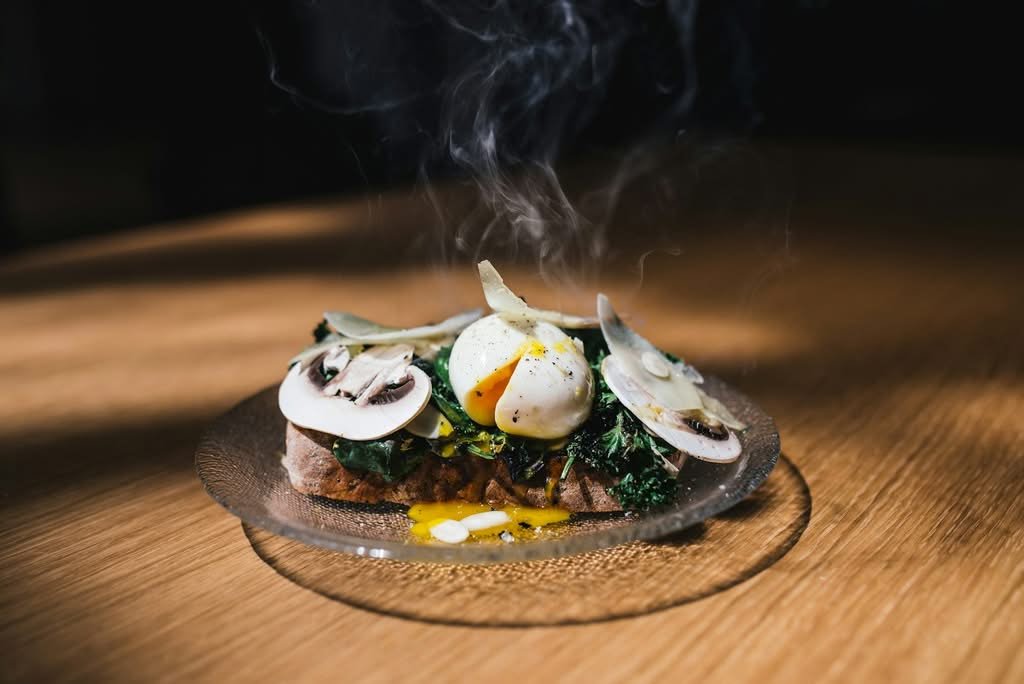
Animal protein comes from meat, poultry, fish, eggs, milk and dairy products. Many of these foods provide all nine essential amino acids in favorable proportions, including leucine, an amino acid involved in stimulating muscle protein synthesis.
What is plant protein?
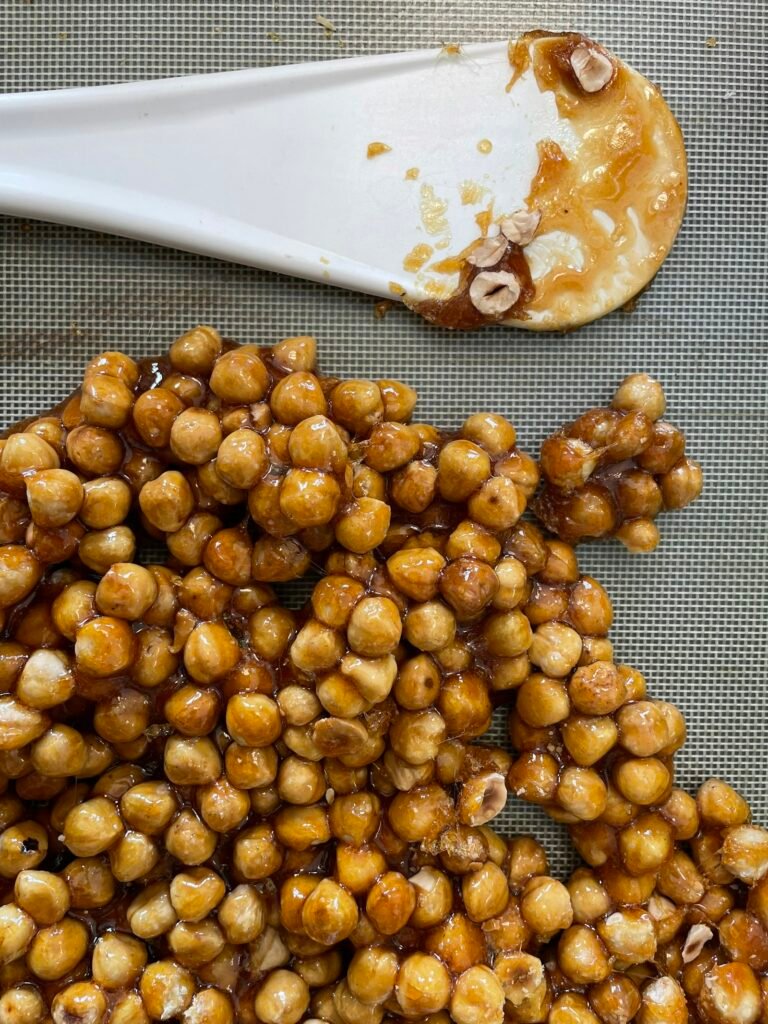
Plant sources include lentils, chickpeas, beans, soy, tofu, peas, nuts and grains. Some plant foods contain all essential amino acids, while others are lower in specific amino acids. Eating a variety of plant protein sources helps improve the overall amino-acid profile.
Which is better for bodybuilding?
When comparing protein quality and how easily a diet provides enough essential amino acids, animal sources are often more efficient gram for gram. However, this does not mean that plant protein is ineffective for muscle growth.
A plant-based bodybuilder can support muscle growth by consuming enough total protein, choosing protein-dense foods and varying protein sources. Depending on the overall diet, a slightly higher protein intake may help achieve a comparable supply of essential amino acids.
Animal vs plant protein
| Factor | Animal protein | Plant protein |
|---|---|---|
| Essential amino acids | Generally complete and well balanced | Varies by source; improved through variety |
| Leucine | Often high | Varies by food |
| Digestibility | Generally high | Varies by source |
| Fiber | Meat contains no fiber | Many sources are rich in fiber |
How much protein does a bodybuilder need?
For many resistance-trained people aiming to gain muscle, around 1.6 to 2.2 grams of protein per kilogram of body weight per day is a practical commonly used range. Individual needs depend on body weight, total calories, training level and goals.
Bottom line
There is no single protein source that is best for everyone. Animal proteins can make it easier to obtain a high-quality amino-acid profile. Plant proteins can also work very well when total intake is adequate and sources are varied.
Ultimately, total daily protein, appropriate calorie intake, consistent resistance training and good sleep matter more than choosing one protein family exclusively.