Why Do I Feel Dizzy After Exercise? Causes and What to Do
Feeling dizzy after exercise can be unsettling. Sometimes it is related to something simple such as dehydration, exercising too intensely, overheating, or stopping suddenly after hard exercise. But dizziness can also have other causes, and repeated or severe symptoms should not be ignored.
In this guide, we explain the most common reasons you may feel dizzy during or after a workout, including running, cardio, treadmill workouts, and weight lifting. We also cover what to do when dizziness happens and when it is important to seek medical advice.
Why Do I Feel Dizzy After Exercise?
Dizziness after exercise can happen when your body is adjusting to changes in blood flow, blood pressure, temperature, hydration, breathing, or exercise intensity. The exact cause depends on when the dizziness starts and what other symptoms you experience.
Common Causes of Dizziness After Exercise
1. Dehydration
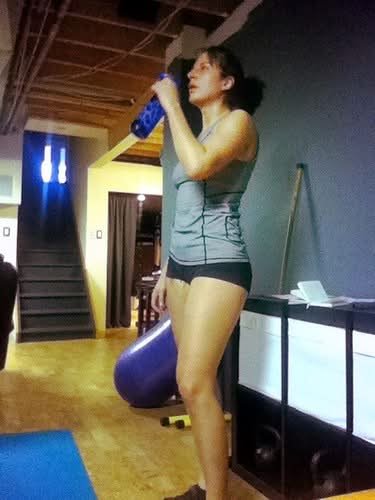
Losing fluid through sweat can reduce your blood volume and contribute to lightheadedness, especially during long, intense, or hot workouts. Drink fluids regularly and pay attention to thirst, excessive sweating, dry mouth, and unusually dark urine.
2. Stopping Exercise Too Suddenly
After intense exercise, your heart is still working hard while your muscles are no longer contracting as strongly to help return blood to the heart. Stopping abruptly can contribute to a temporary drop in blood pressure and make you feel lightheaded.
3. Exercising Too Intensely
A workout that is much harder than your current fitness level can cause dizziness, weakness, nausea, or unusual breathlessness. Increase training intensity gradually and allow adequate recovery between demanding sessions.
4. Heat and Overheating
Exercising in hot or poorly ventilated conditions increases fluid loss and puts extra stress on the cardiovascular system. Move to a cooler place, stop exercising, and allow your body temperature to come down if you feel dizzy or overheated.
5. Changes in Blood Pressure
Blood pressure can change during and after exercise. Some people experience a temporary drop after stopping intense activity, which can cause lightheadedness. Frequent or unexplained episodes deserve medical evaluation.
6. Breathing Pattern
Rapid or irregular breathing can contribute to lightheadedness during hard exercise. During resistance training, avoid deliberately holding your breath for prolonged periods and learn a controlled breathing pattern appropriate for the exercise.
7. Low Blood Sugar
Low blood sugar can cause dizziness, shakiness, sweating, weakness, and confusion. This is particularly important for people with diabetes who use insulin or certain glucose-lowering medicines. If you have diabetes, follow your clinician’s advice about exercise, meals, and blood glucose monitoring.
Why Do I Feel Dizzy During Exercise?
Dizziness that starts while you are exercising can be related to excessive intensity, dehydration, overheating, breathing changes, blood pressure changes, or an underlying medical issue. Stop the workout rather than trying to push through the symptom.
Why Do I Feel Dizzy After Running or Cardio?
Running and other cardio workouts can produce a rapid increase in heart rate and breathing. If you finish a hard interval or run and stop immediately, the sudden change in activity can make some people feel lightheaded. Hydration, heat, exercise intensity, and individual health conditions can also play a role.
Why Do I Feel Dizzy After Using a Treadmill?
Feeling slightly unsteady after stepping off a moving treadmill can happen because your brain and balance system are adapting from walking on a moving belt to standing on a stationary surface. A gradual cool-down can make the transition more comfortable. Persistent or severe dizziness should not be assumed to be caused by the treadmill alone.
Why Do I Feel Dizzy After Lifting Weights?
Heavy resistance training can temporarily change blood pressure and breathing. Straining while lifting, inadequate breathing, dehydration, and exercising beyond your current capacity may contribute to lightheadedness. Use appropriate loads, maintain controlled breathing, and stop the set if you feel faint.
Dizziness vs. Lightheadedness vs. Vertigo
These terms are often used interchangeably, but they can describe different sensations.
- Lightheadedness: feeling as though you might faint or lose consciousness.
- Vertigo: a sensation that you or your surroundings are spinning or moving.
- Dizziness: a broad term that can describe lightheadedness, unsteadiness, or a spinning sensation.
Describing the exact sensation can help a healthcare professional understand what may be causing it.
What Should I Do If I Feel Dizzy During or After Exercise?
- Stop exercising and move somewhere safe.
- Sit or lie down until the sensation improves.
- Avoid standing up suddenly.
- If dehydration may be contributing, drink fluids when you can do so safely.
- Cool down and rest before considering any further activity.
- Do not resume a hard workout while you still feel dizzy.
How to Prevent Dizziness During Exercise
- Stay adequately hydrated before and during training.
- Warm up and cool down instead of starting or stopping abruptly.
- Increase training intensity gradually.
- Avoid exercising in excessive heat when possible.
- Use controlled breathing during resistance exercises.
- Eat appropriately for your training needs, especially if you have a medical condition that affects blood glucose.
- Allow enough recovery between demanding workouts.
When Should You See a Doctor?
Talk to a healthcare professional if dizziness is recurrent, unexplained, becoming more severe, or interfering with exercise or daily activities.
Seek urgent medical attention if dizziness occurs with fainting, chest pain, severe shortness of breath, a very rapid or irregular heartbeat, severe headache, new weakness or numbness, difficulty speaking, significant vision changes, or difficulty walking. Fainting during exercise is especially important to have medically evaluated.
Frequently Asked Questions
Is it normal to feel dizzy after exercise?
Mild, brief lightheadedness can occur after strenuous exercise, but frequent, severe, or unexplained dizziness is not something to routinely ignore.
Why do I feel dizzy after running?
Possible contributors include dehydration, overheating, excessive intensity, changes in blood pressure, breathing patterns, and stopping suddenly after a hard run.
Why do I feel dizzy after a treadmill workout?
The transition from a moving treadmill belt to a stationary floor can temporarily affect balance, while dehydration, heat, and workout intensity may also contribute.
Why do I feel dizzy after lifting weights?
Heavy lifting can cause temporary changes in blood pressure and breathing. Straining, dehydration, and excessive loads can increase the likelihood of lightheadedness.
Should I stop exercising if I feel dizzy?
Yes. Stop the exercise and get somewhere safe. If symptoms are severe, recurrent, or accompanied by warning signs such as fainting or chest pain, seek medical care.
Final Takeaway
Dizziness after exercise has many possible causes, from dehydration and overheating to sudden stopping, intense training, breathing patterns, blood pressure changes, or low blood sugar in some people. The safest approach is to stop when symptoms occur, recover gradually, and pay attention to recurring or severe episodes.
For more guidance on training safely, see our guide to how many days a week you should work out, our article on post-workout nutrition, and our guide to maintaining fitness with diabetes.